While some works of art are purely decorative, some ancient art forms are beautiful and functional, both adorning and serving the spaces in which they lie.
Fibers And Materials
01 wool
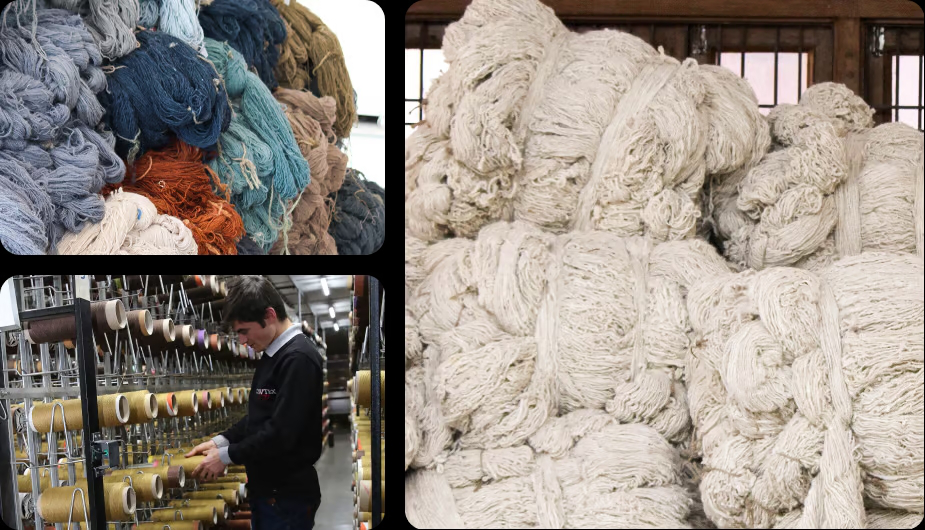
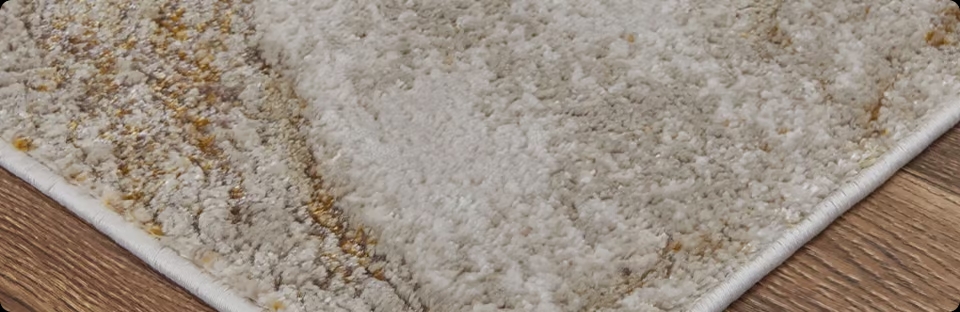
Wool, a textile fiber gathered most commonly from sheep, varies widely in quality depending upon the region in which the sheep are raised, and certain wools work best for certain types of rugs. Once wool is sheared from the sheep, an expert carder inspects it for imperfections and removes unviable strands. Praised for being one of the most durable fibers in the rug industry, wool can withstand high-traffic spaces and resists strains and wrinkles. The fiber's scale-like qualities keep dirt near the surface of the rug, making wool rugs easy to clean.
Rug Construction
Feizy utilizes weavers in India, Turkey, China, Vietnam, and beyond to create their exclusive designs. For John Feizy, Founder and CEO of the company, it’s been a lifelong mission to expose people to the beauty of a vanished world while enabling them to incorporate these incredible pieces of art into their everyday living spaces.
With thousands of museum-quality rugs in stock, Feizy protects the tradition of this ancient art, while making fresh advances and setting new trends with stylish and fashion-forward designs and advancements in new construction techniques.
Constructions
HAND KNOTTED
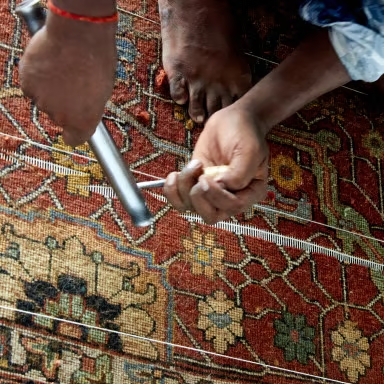
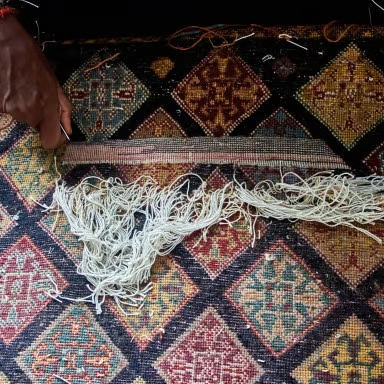
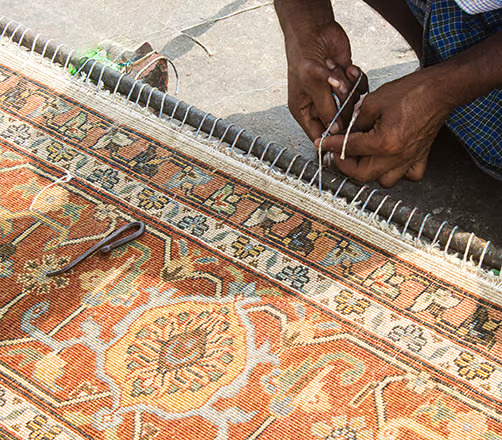
Crafted by skilled weavers, individual knots are hand-tied one by one to create intricate motifs in durable rugs that can weather generations of use. Construction qualities vary for hand-knotted rugs depending on the fibers and number of knots per square inch.
Crafted by skilled weavers, individual knots are hand-tied one by one to create intricate motifs in durable rugs that can weather generations of use. Construction qualities vary for hand-knotted rugs depending on the fibers and number of knots per square inch.
Crafted by skilled weavers, individual knots are hand-tied one by one to create intricate motifs in durable rugs that can weather generations of use. Construction qualities vary for hand-knotted rugs depending on the fibers and number of knots per square inch.
Crafted by skilled weavers, individual knots are hand-tied one by one to create intricate motifs in durable rugs that can weather generations of use. Construction qualities vary for hand-knotted rugs depending on the fibers and number of knots per square inch.
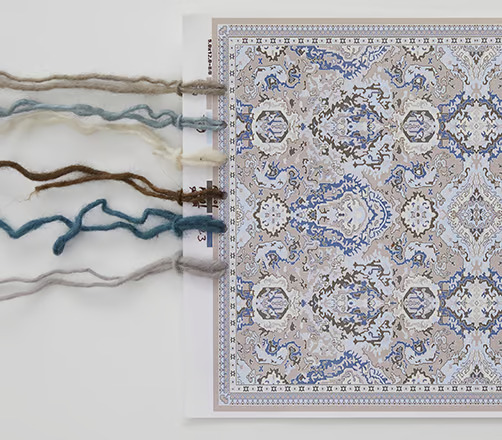
Designs are conceived and developed by our in-house product development team. Consistent communication takes place between our Dallas and overseas teams. Some designs can take up to a year to develop and perfect before they are placed into production.
step 1
Materials
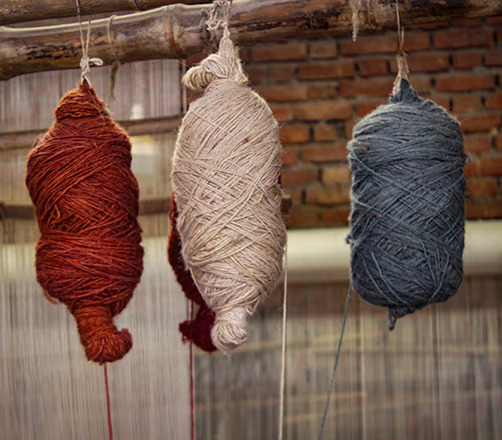
The best materials are sourced and processed depending upon the rug;s construction:
Hand-knotted: Wool, Silk, Viscose, Cotton, Jute or a blend of different fibers
Tufted: Wool, Viscose, Polyester, Acrylic or a blend of different fibers
Machine-made: Polyester, Polypropylene, Viscose
step 2
Dyes
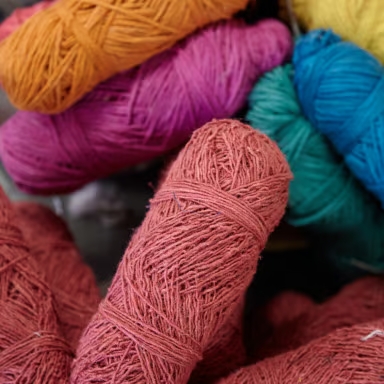
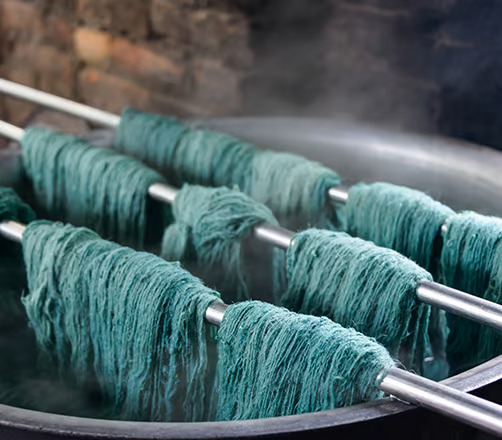
Natural dyes come from plants, animals, fruits, minerals and other natural resources. Producing them creates minimal environmental impact and they are biodegradable. However, they can be inconsistent, can fade quicker and options for colors are more limited.
step 3
Creation
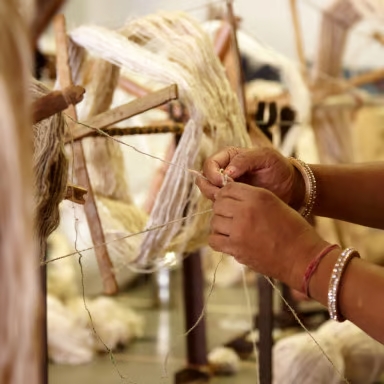
A skilled weaver individually ties every knot, creating a one-of-a-kind handmade piece. Due to this precise skill required, it can take a single weaver up to a year to create a piece, which is why there are often multiple weavers working simultaneously for a quicker turnaround time.
step 4
Finished Product
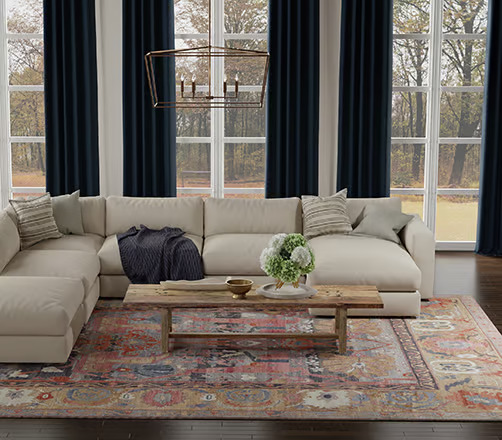
The finished rug is purchased by a customer to transform their living space.